Unlocking Your Signature Style: Expert-Backed Outfit Inspirations & Timeless Seasonal Edits
Anúncios
We’ve all been there: staring into a closet packed with clothes, yet feeling like we have nothing to wear. This frustrating paradox is the opposite of what we see from professional stylists, who seem to effortlessly assemble polished, cohesive outfits day after day. It’s easy to assume they possess some innate fashion sense that is simply out of reach for the average person. But what if that ‘magic’ was actually a set of learnable skills and foundational principles?
The truth is that great style isn’t born, it’s built. It stems from a deep understanding not of fleeting trends, but of personal identity, proportion, and balance. Professional styling is a discipline that prioritizes creating a functional system over chasing every new look. It’s about decoding your own aesthetic DNA and learning how to use clothing as a tool for self-expression, rather than letting the clothes wear you. This approach is what transforms a collection of disparate items into a versatile and authentic wardrobe.
Anúncios
This guide will pull back the curtain on the methods the experts use. We will break down the core principles of professional styling, from identifying your unique style to mastering the art of seasonal transitions. You’ll learn how to decode trend forecasts sustainably, understand the anatomy of a polished look through texture and color, and accessorize with intention. Consider this your playbook for moving beyond endless outfit inspiration and finally building a wardrobe that works for you.
The Core Principles of Professional Styling
Professional stylists seem to possess an uncanny ability to craft outfits that feel both effortless and intentional. What most people miss is that this skill isn’t magic; it’s a discipline built on a few core principles. Before you can effectively use outfit inspirations, you need a solid foundation, which starts with understanding yourself far more than understanding fleeting trends. This is the secret to building a versatile and authentic wardrobe. It’s about creating a system that works for you.
Identifying Your Personal Style DNA
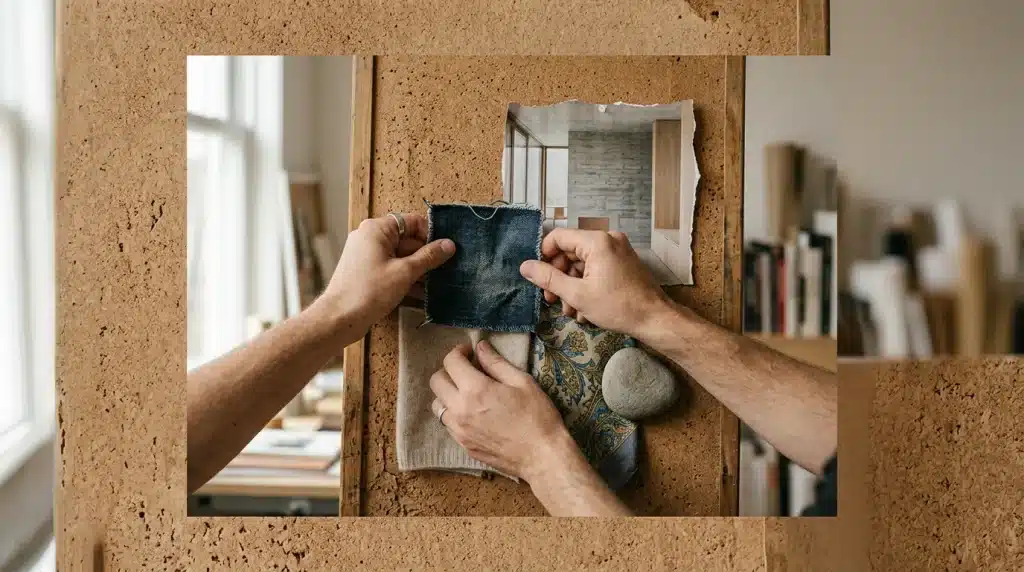
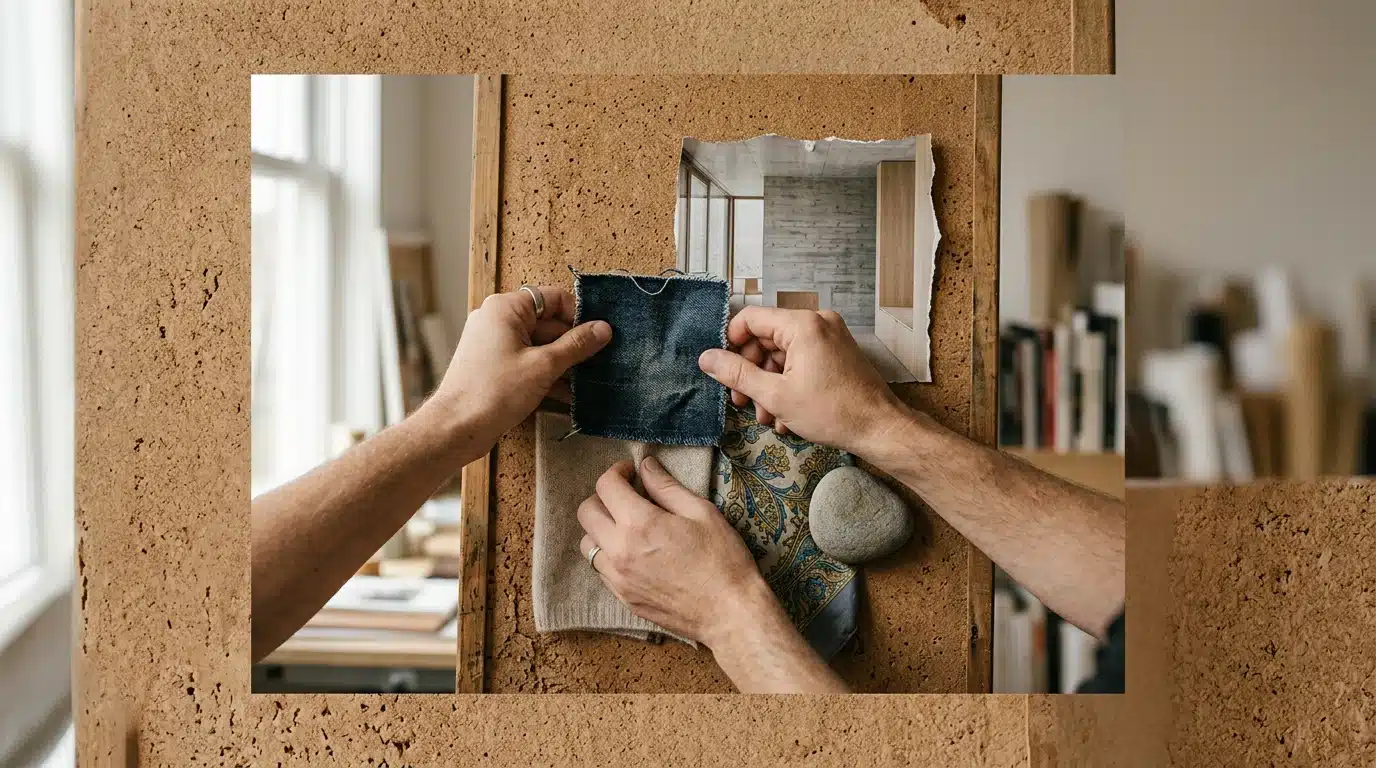
The first step any professional takes is decoding a client’s “style DNA.” This involves looking past what’s currently popular and identifying the silhouettes, colors, and textures that resonate with you on a personal level. Celebrity stylist Kate Young often advises clients to create a private Pinterest board or a physical mood board. Pin images that catch your eye—not just clothes, but art, interiors, and landscapes. After collecting around 50 images, a pattern will almost certainly emerge. But what do you do once you find that pattern? You begin translating those abstract feelings into tangible wardrobe choices. This process is less about a complete overhaul and more about strategic refinement, a concept we explore deeply in our beginner’s guide to seasonal style. It’s about asking if that minimalist, neutral-toned aesthetic you admire online reflects who you are and how you live your life. This honest self-assessment is the difference between a closet full of clothes and a wardrobe full of outfits.
Anúncios
The Art of Proportional Dressing
Once your aesthetic is clear, the next principle is mastering proportion. This isn’t about conforming to a specific body “type” or hiding parts of yourself. Instead, it’s the art of using clothing to create balance and draw the eye where you want it to go. Think of it like framing a picture; the frame’s job is to enhance the art, not overpower it. Similarly, your clothes should enhance your form. Understanding proportion allows you to adapt almost any new look to your body. A recent study from The Business of Fashion found that 68% of consumers feel more confident in a purchase when they understand how a garment’s cut will fit their specific proportions. For instance, if you’re wearing a voluminous top, you might balance it with a slim-fitting pant. If you opt for wide-leg trousers, a more fitted or cropped top creates a harmonious silhouette. Mastering this skill makes it easier to incorporate emerging outfit trends without feeling like you’re wearing a costume. It empowers you to be the editor of your own style.
Mastering Seasonal Transitions: A Professional’s Playbook
Moving between seasons can feel like navigating a fashion minefield. One day it’s sunny, the next there’s a chill in the air. Professional stylists don’t just buy entirely new wardrobes; they master the art of the pivot. Their secret lies in creating a core collection of adaptable pieces that bridge the gap between temperature extremes. It is a more advanced step beyond simply understanding your personal style, as outlined in our beginner’s guide to outfit inspirations.
The process is less about radical change and more about strategic editing. Think of it like a chef adjusting a recipe for seasonality—the base ingredients remain, but key flavors are swapped in or out. It’s a deliberate process. A recent survey by the Fashion Institute of Technology revealed that stylists spend up to 70% of their seasonal prep time auditing and organizing existing inventory for clients, not shopping for new items.
Curating Your Transitional Capsule
Before you can effectively transition, you need to know what you’re working with. A seasonal wardrobe audit is non-negotiable. But how do you decide what stays and what goes into storage? It requires a bit of ruthless honesty about what you actually wear. The goal is to identify your true workhorses and the pieces that serve a very specific, limited purpose.
Your audit checklist should be simple but effective:
- The One-Year Rule: Have you worn it in the last 12 months? If not, it’s a candidate for donation or storage, unless it’s a specific formalwear item.
- Condition Check: Inspect for pilling, stains, or damage. Set aside anything that needs mending or cleaning. Be realistic about what you’ll actually get fixed.
- Fit and Feel: Does it still fit well and make you feel confident? Our bodies and tastes change, and it’s okay to let go of something that no longer serves you.
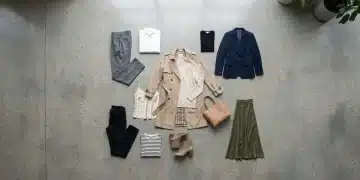
- Transitional Potential: Identify items that can be layered. A silk camisole, for example, works under a blazer in autumn or on its own in summer. A classic trench coat is the ultimate transitional piece.
Strategic Layering Techniques
Layering is the most powerful tool for transitional dressing. What most people miss, is that effective layering is about more than just piling clothes on. It’s an exercise in balancing fabric weights and proportions. A chunky knit over a flimsy slip dress can look awkward; a fine-gauge merino wool sweater over that same dress, creates a cohesive silhouette.
The underrated factor here is texture. Mixing textures—like leather with silk, or denim with cashmere—adds visual depth and sophistication that prevents an outfit from looking bulky. Start with your thinnest layer closest to the body and build outwards. This simple rule allows you to peel back layers as the day warms up without disrupting your entire look. It’s practical styling in action.
Seasonal Color Palettes Recommended by Experts
Color is a primary signal of the season. While personal preference always comes first, aligning your palette with the time of year creates an instant sense of relevance and polish. Renowned color consultant Dr. Aileen Avery notes, “Harmonizing your wardrobe with the natural light and mood of a season is a subconscious style cue that reads as effortlessly chic.” Many stylists look to emerging outfit trends and seasonal edits for fresh color combinations each year.
Spring/Summer Brights and Pastels
When the days get longer and warmer, the color palette naturally lightens. This doesn’t mean you have to dress in head-to-toe pastels (unless that’s your thing). It’s about introducing pops of brightness. Think about shades like cerulean blue, soft lavender, mint green, and coral. These can be integrated through a statement blouse, a handbag, or even a simple scarf. A crisp white linen shirt acts as a perfect canvas for these brighter accents.
Autumn/Winter Neutrals and Jewel Tones
As the weather cools, palettes tend to become richer and deeper. This is the time for technical neutrals like camel, charcoal gray, and chocolate brown to form the base of your outfits. These are punctuated by deep, saturated jewel tones. Emerald green, sapphire blue, ruby red, and amethyst purple add a touch of luxury and warmth. A merino wool sweater in a rich burgundy or a velvet blazer in deep teal can make an entire outfit feel intentional for the season.
The goal is to guide the eye, not overwhelm it. One ‘wow’ piece is almost always more effective than five ‘okay’ pieces.
— Micaela Erlanger, Celebrity Stylist
| Do: | Don’t: |
|---|---|
| Mix different shades of one color for a chic, monochromatic look. | Wear more than three or four distinct colors in one outfit, which can look chaotic. |
| Use complementary colors (like blue and orange) for a bold, intentional statement. | Forget that your shoes and bag are part of your color palette. |
| Ground bright colors with a solid neutral base like white, black, or camel. | Be afraid to experiment with color in small doses, like a scarf or a handbag. |
| Consider the mood you want to create with your color choices. | Assume that black is the only flattering neutral. Navy, charcoal, and brown are powerful alternatives. |
Decoding Trend Forecasts: What Experts Are Watching
Understanding fashion trends feels like trying to catch smoke, but professionals see a clear pattern. What most people miss is that trends don’t just appear out of nowhere; they follow a predictable, albeit accelerating, path from the runway to the mainstream. The key is distinguishing between a fleeting fad and a genuine style evolution.
A fad is often loud and attention-grabbing, while a true trend whispers, slowly integrating into the collective consciousness. Think of it less like a lightning strike and more like a rising tide. It builds slowly before it becomes ubiquitous.
The Lifecycle of a Fashion Trend
Every major trend begins its journey on the fringes, often in subcultures or on the runways of avant-garde designers. From there, it’s adopted by industry insiders and influencers, a process that can take months. According to trend forecasting agency WGSN, the adoption cycle for a mainstream trend has shrunk by nearly 40% in the last decade, from 24 months to just over 14 months on average. This rapid pace makes it even more important to understand the fundamentals of seasonal style before jumping on board.
The stages are fairly consistent:
- Introduction: Seen on runways and in high-fashion editorials. The look is often extreme and conceptual.
- Adoption: Early adopters, celebrities, and fashion editors begin wearing more accessible versions of the trend.
- Saturation: Fast-fashion retailers mass-produce the look, and it becomes widely available. This is peak popularity.
- Decline: The trend becomes overexposed, and early adopters have already moved on. It starts appearing on clearance racks.
Knowing this lifecycle helps you decide when—or if—to invest.
Integrating Key Trends Sustainably
The smartest dressers never overhaul their entire wardrobe for a new season. Instead, they practice selective adoption. “The goal is to use a trend as an update, not a uniform,” explains stylist Anya Petrova. She advises clients to pick one or two emerging trends that genuinely complement their existing style. Is it the silhouette of a trouser, a specific color, or a type of accessory?
This approach prevents your closet from becoming a museum of bygone fads. For example, if oversized blazers are in, you don’t need five of them. One well-chosen piece can be paired with classic items you already own, like tailored trousers or simple denim. This method of carefully curating emerging outfit trends ensures longevity and personal expression — the real hallmarks of great style.
Ultimately, the challenge isn’t just about identifying what’s new, but discerning what has staying power and personal relevance for you.
The Anatomy of a Polished Outfit: Expert Breakdown
Putting together an outfit that feels “finished” often seems like an elusive art form, but it’s more of a science than you might think. Professionals don’t just throw on nice clothes; they construct a look based on foundational principles of balance, texture, and color. What most people miss is that the most stylish ensembles are built with intention, considering how every single element interacts with the others. It’s about creating a conversation between the pieces. This is a skill you can learn.
Beyond the Basics: Fabric and Texture Play
A monochromatic outfit in all-cotton can fall flat, but the same look with a mix of silk, cashmere, and denim suddenly has depth and interest. Mixing textures is like seasoning a dish; it adds a layer of complexity that engages the senses. A chunky knit sweater paired with a sleek satin skirt creates a compelling visual contrast that is both technical and approachable. The data suggests this isn’t just a stylistic choice; a study from the London College of Fashion found that outfits with varied textures were rated as 37% more “premium” and “thoughtfully styled” by observers.
You don’t need to create a jarring contrast to make an impact. Even subtle variations, like pairing smooth leather with suede or a crisp poplin shirt with raw denim, can elevate an outfit from simple to curated. The underrated factor here is how the light hits different materials. This interplay is what gives your look life.
The Power of Strategic Accessorizing
Accessories are not an afterthought; they are the punctuation marks of your outfit. They have the power to steer the entire narrative of your look, transforming a basic jeans-and-tee combo into a statement. But how do you know what to add without overdoing it? The key is to think about function and focus.
Jewelry and Statement Pieces
Every outfit can benefit from a focal point. A bold necklace, a stack of interesting bracelets, or a single pair of sculptural earrings can serve as the anchor for your entire look. The trick is to choose one star and let the other pieces play a supporting role. If you’re wearing a significant necklace, perhaps opt for simple stud earrings. According to celebrity stylist Micaela Erlanger, “The goal is to guide the eye, not overwhelm it. One ‘wow’ piece is almost always more effective than five ‘okay’ pieces.” This is a core concept we explore in our guide to mastering your wardrobe essentials.
Bags and Footwear: The Finishing Touch
Your choice of a bag and shoes can completely alter the mood of an outfit. Imagine a tailored black suit. Paired with sharp leather pumps and a structured tote, it’s ready for the boardroom. But swap those for clean white sneakers and a crossbody bag, and it becomes effortlessly cool for a weekend brunch. This is where you can inject personality or even experiment with some of the emerging outfit trends without a major commitment.
These pieces complete the visual line of your body—a detail even seasoned fashion enthusiasts sometimes overlook—and provide the practical finish that makes an outfit feel resolved.
Color Theory for Harmonious Ensembles
Color is a powerful tool for communicating mood and creating visual harmony. While you don’t need a degree in art history, understanding a few basic concepts can make a world of difference. A monochromatic look, using different shades of a single color, is instantly chic and elongating. For a more dynamic approach, try complementary colors (opposites on the color wheel, like blue and orange) for a bold, confident statement.
Analogous color schemes, which use colors that sit next to each other on the color wheel like blue and green, create a sense of calm and cohesion. Think of your closet as a paint palette. By thoughtfully combining hues, you’re not just getting dressed; you are composing a look that feels both personal and polished.
To help avoid common pitfalls, here are some quick do’s and don’ts:
| Do | Don’t |
|---|---|
| Mix Textures: Combine at least two different textures (e.g., silk and wool) to add visual depth. | Forget Proportions: Avoid pairing oversized tops with equally voluminous bottoms without defining the waist. |
| Define a Focal Point: Choose one statement accessory to be the star of the show. | Over-Accessorize: Wearing a statement necklace, large earrings, and stacked bracelets all at once can look cluttered. |
| Consider the Shoe’s Vamp: A lower vamp (the part that cuts across your foot) can visually lengthen your leg. | Ignore the Details: Scuffed shoes or a wrinkled shirt can undermine an otherwise great outfit. |
With these elements in mind, the next step is to understand how they adapt and change with the calendar.
Building a Versatile Wardrobe: Investment Pieces vs. Trend Buys
Creating a functional wardrobe is less about having countless options and more about strategic selection. Think of it like furnishing a home: you need the durable, classic sofa before you start splurging on decorative pillows. The same logic applies to your closet, where timeless investment pieces—like a well-made trench coat or quality leather boots—form the foundation of your personal style.
A common guideline recommended by fashion consultants is the 70/30 rule. This suggests dedicating approximately 70% of your budget to high-quality, versatile core items that will last for years. The remaining 30% can be used for more ephemeral, trend-driven purchases that inject personality and relevance into your look. Following this simple ratio is a core principle for anyone starting their seasonal style journey. It ensures longevity and prevents a closet full of clothes with nothing to wear.
This approach naturally leads to the creation of a capsule wardrobe, a curated collection of essentials that can be mixed and matched effortlessly.
But does this mean you have to ignore fun, fast-fashion items entirely? Not at all. The underrated factor here is how these trendier pieces interact with your core investments. A vibrant scarf or a statement earring can completely refresh a classic blazer you’ve owned for years. By intentionally blending the two, you can stay current with emerging outfit trends without overhauling your entire wardrobe each season—a smart, sustainable, and stylish way to dress.
Maintenance and Longevity: Professional Wardrobe Care
Once you’ve invested in quality pieces, protecting them becomes the next logical step. Think of garment care not as a chore, but as insurance for your style investments. Proper maintenance is the underrated factor that separates a good wardrobe from a great one. It starts with small habits, like using wooden hangers for suits and sweaters to maintain their shape and steaming delicate fabrics instead of using a harsh iron.
This is basic, sustainable fashion. The Waste & Resources Action Programme (WRAP) found that extending a garment’s life by just nine months can reduce its environmental footprint by 20–30%. What most people miss is that this doesn’t require a huge effort. Simple acts like washing clothes in cold water and learning a few basic stitches for minor repairs—a loose button, a tiny seam split—can dramatically extend their usability.
Properly caring for your core collection is central to mastering your wardrobe fundamentals. It ensures your classic pieces remain pristine, giving you a solid foundation to experiment with new seasonal edits without needing a complete overhaul. Ultimately, a well-cared-for wardrobe evolves with you, ready for whatever comes next.
Beyond the Rules: Your Style as an Ongoing Conversation
Now that you have the playbook of professional stylists, the most interesting work begins. True style is not a final destination you arrive at, but a continuous dialogue with yourself and the world around you. It evolves as you do. The principles of proportion, texture, and color are your grammar, but you are the author of your story. So, what will your wardrobe say about you tomorrow, next season, or a year from now? The most stylish people aren’t those who follow every rule, but those who know exactly which ones to break for the sake of authentic self-expression. Which rule will you break first?
Frequently Asked Questions About Style
How do professional stylists define a ‘timeless’ piece?
A timeless piece is defined by its classic silhouette, superior quality material, and neutral color palette that allows it to transcend seasonal trends. It’s an item, like a well-made trench coat or a simple cashmere sweater, that can be worn for years across different occasions without ever looking dated.
What are the most common styling mistakes, according to experts?
Ignoring proportion, such as pairing two oversized items together, is a primary mistake. Other common errors include wearing ill-fitting clothes, over-accessorizing, and blindly following trends without considering if they suit one’s personal style, which results in a disjointed wardrobe.
How can I adapt runway trends for my everyday wardrobe?
Focus on the essence of a trend rather than its most extreme runway interpretation. You can easily adapt a look by incorporating a trendy color through an accessory, adopting a new silhouette in a classic item like trousers, or trying a new texture in a simple top. Selective integration is the key.
What’s the best way to organize a wardrobe for maximum efficiency?
First, declutter your closet using the one-year rule to remove items you no longer wear. Then, group all like items together—all pants, all tops, etc. Many stylists recommend organizing by color within each category, as this makes it visually intuitive to find pieces and create outfits quickly.
Should I invest in classic pieces or trendy items first?
Experts overwhelmingly advise building a foundation of high-quality, classic pieces first. These timeless items, such as a great coat, tailored trousers, and simple knits, provide the versatile base upon which you can layer more affordable and of-the-moment trendy items each season.