Style Pitfalls Unveiled: Navigating Outfit Inspirations and Seasonal Edits Like a Pro
Anúncios
Have you ever stood before a closet packed with clothes, yet felt like you had nothing to wear? Or perhaps you’ve splurged on a trendy item, inspired by countless social media posts, only to find it looks awkward and out of place in your own mirror. This frustrating disconnect isn’t a sign of poor taste; it’s a symptom of falling for common style pitfalls that even savvy shoppers overlook.
The modern fashion landscape is a minefield of fleeting trends, confusing sizing, and impractical styling advice. We’re bombarded with ‘must-have’ lists and outfit inspirations that are designed for a photoshoot, not for a real life filled with commutes, changing weather, and budget constraints. Without a clear strategy, it’s easy to accumulate a collection of disjointed pieces that fail to tell a cohesive story, leaving you feeling more confused than confident.
Anúncios
This guide is designed to be your personal style editor. We will move beyond the hype to dissect the most prevalent mistakes people make when interpreting trends, choosing sizes, dressing for the season, and accessorizing. By unveiling these critical errors, you’ll gain a professional framework for making smarter choices, building a wardrobe that serves you, and finally mastering the art of turning inspiration into authentic personal style.
Beyond the Hype: Decoding Trend Misinterpretations
Let’s get one thing straight: most trend reports are not your friend. They present a firehose of fleeting ideas—barbiecore, coastal grandmother, blokecore—and imply that relevance requires immediate, wholesale adoption. This is a trap. The result is often a chaotic mix of signals that screams “trying too hard” rather than communicating a distinct personal style. True style isn’t about wearing the trend; it’s about understanding how a trend can serve you.
What most people miss is that the runway is pure theater. A recent study by The Business of Fashion revealed that less than 15% of runway looks are produced for retail without significant modification. Designers are selling a concept, an abstract idea. Your job is to be a discerning editor, not a passive consumer. It’s the critical first step in mastering your wardrobe instead of letting it master you.
Anúncios
The Trap of ‘Too Much’: Over-Embracing Every Trend
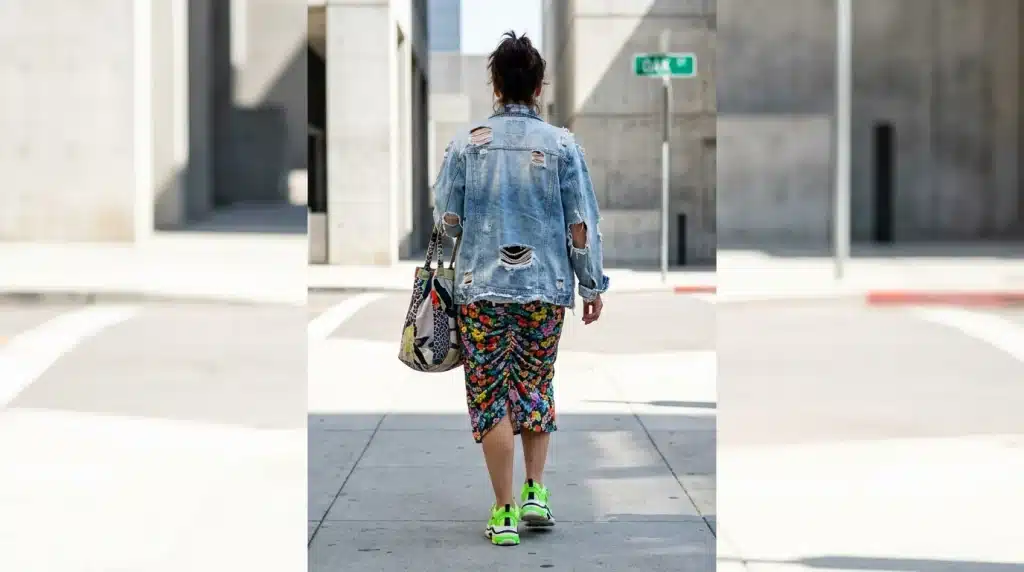
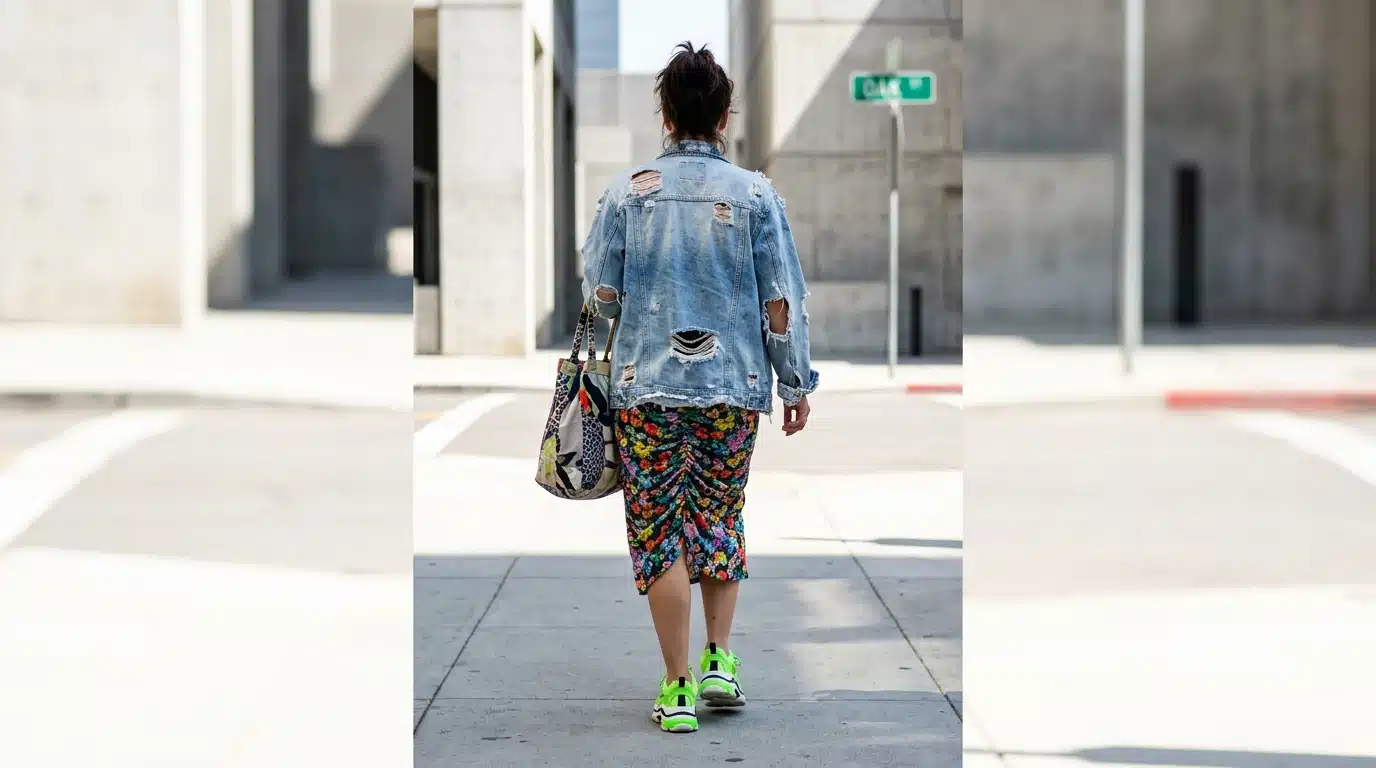
The most common misstep is trend-stacking. This is the visual equivalent of putting every spice you own into a single dish—you don’t get a complex flavor, you just get an inedible mess. Seeing someone wear distressed denim, an oversized blazer, neon accessories, and chunky platform sneakers all at once is a classic example. Each element might be an interesting outfit inspiration on its own, but together they create a caricature of “trendy.” It’s visual noise.
The solution is intentional curation. Pick one hero trend per outfit and support it with classic, foundational pieces. If you’re experimenting with bold, saturated color, for instance, keep your silhouettes and other accessories understated. This allows the trend to have its moment without overwhelming your entire look. This disciplined approach is the core of developing a signature style that feels both current and authentic.
Distinguishing Trend from Timeless: A Critical Eye
Not all trends are created equal. Some are micro-fads destined to be forgotten in six months (think pop-culture-inspired graphic tees), while others signal a genuine shift in silhouette or proportion that will have lasting influence. The rise of the wide-leg trouser, for example, has been a slow burn over several seasons, suggesting it’s more than a passing fancy. It reflects a broader movement toward relaxed tailoring. Learning to spot these patterns is key.
So how do you develop this critical eye? Stylist Elena Garcia advises her clients to apply the “Rule of Three.” Before buying into a trend, ask yourself: can I style this piece in at least three different ways with items I already own? This simple test separates versatile additions from one-hit wonders. It forces you to consider longevity over instant gratification. Understanding the difference is key when evaluating emerging outfit trends for the upcoming season. The goal isn’t just to look good now, but to build a wardrobe that endures.
The Fit Fiasco: Why Size Tags Don’t Define Your Style
You can chase all the outfit inspirations in the world, but if your clothes don’t fit, you’ve failed before you’ve even left the house. People obsess over the latest runway looks while completely ignoring the glaring fact that their sleeves are too long or their trousers are bunching at the ankle. This isn’t just a minor detail; it’s the entire foundation of personal style. Bad fit makes expensive clothes look cheap and thoughtful outfits appear sloppy.
It’s a universal disaster. A report from the National Retail Federation indicates that over 64% of clothing returns are due to poor fit, a staggering number that exposes the lie of standardized sizing. That number on the tag is merely a suggestion, not a mandate.
Understanding Your Body: Beyond the Label
The fashion industry’s dirty little secret is “vanity sizing,” where brands intentionally mislabel larger sizes with smaller numbers to flatter the consumer’s ego. A size 8 in one store might be a 12 in another, creating a confusing and frustrating shopping experience. The real power move is to ignore the label entirely and focus on your actual proportions. Are your shoulders broad? Is your torso long? These are the questions that matter.
Forgetting the tag is like throwing away a faulty map; it forces you to look at the actual landscape of your own body. Understanding your unique shape is the first step in building a wardrobe that actually works for you, a core concept we explore in our beginner’s guide to seasonal style. It allows you to select pieces that highlight your best features instead of wrestling with garments that were designed for a generic mannequin.
The Art of Alterations: Investing in the Perfect Fit
Most people see tailoring as a costly, inconvenient chore reserved for formalwear. This is a critical mistake. A skilled tailor is the most powerful weapon in your style arsenal, capable of transforming a mediocre, off-the-rack garment into something that looks custom-made. The difference between a $100 blazer and a $1,000 one is often just a few expertly placed stitches.
Think of it as the final production step. A manufacturer gets a garment 90% of the way there, and your tailor is the specialist who handles that final 10% to make it perfect for you. Suddenly, that jacket that was just “okay” becomes your absolute favorite. Embracing alterations is underlying to developing a signature look, moving beyond fleeting fads toward timeless style principles.
DIY Adjustments vs. Professional Tailoring
Not every adjustment requires a trip to the tailor. Simple fixes like hemming trousers with fusible tape for a temporary length change or sewing on a loose button are perfectly manageable at home. But what about more complex issues? Attempting to take in the shoulders of a jacket or alter the waist of lined trousers without experience is a recipe for ruin. The rule is simple: if it affects the core structure of the garment, leave it to a professional.
Checklist: Your Ultimate Garment Fit Guide
Stop guessing and start analyzing. Before you commit to a purchase—or before you wear something new—run through these non-negotiable fit checkpoints. This simple habit can separate you from the masses who are unknowingly sabotaging their own look.
- Shoulders: The seam should sit exactly where your shoulder ends. If it droops down your arm, it’s too big. If it’s creeping up toward your neck, it’s too small.
- Chest and Bust: Look for pulling or gaping across the chest (too small) or excess, billowy fabric (too big). Buttons should lie flat without any strain.
- Torso and Waist: A shirt or jacket should lightly skim your torso, not cling to it or hang like a tent. For trousers and skirts, you should be able to fit two fingers comfortably in the waistband—no more, no less.
- Sleeves: For long-sleeved shirts and blazers, the cuff should end precisely at your wrist bone. Anything else just looks borrowed.
- Hips and Seat: Trousers and skirts should drape smoothly over your hips without pulling horizontally (too tight) or having saggy, excess fabric in the seat (too loose). Check for “smile lines” under the seat; they’re a dead giveaway of a poor fit.
- Inseam and Hem: Trouser hems should have a clean “break” (a slight fold) at the top of your shoe, or no break at all for a more modern crop. They should never puddle around your ankles.
Mastering fit is your ticket out of the amateur leagues. It’s the invisible thread that ties together all the emerging outfit trends you want to try, ensuring you look polished and intentional, not like you’re playing dress-up in someone else’s closet.
Before buying into a trend, ask yourself: can I style this piece in at least three different ways with items I already own? This simple test separates versatile additions from one-hit wonders.
— Elena Garcia, Stylist
| DO | DON’T |
|---|---|
| Layer with purpose: Use thin, high-performance layers (like merino wool or thermal synthetics) to build warmth without bulk. | Over-layer with bulky items: Avoid stacking multiple thick knits, which creates a shapeless and often uncomfortable fit. |
| Choose weather-appropriate fabrics: Opt for wool, cashmere, and fleece for cold, and linen or breathable cotton for heat. | Ignore fabric properties: Don’t wear cotton in the rain or heavy wool on a surprisingly warm autumn day. |
| Adapt seasonal color palettes: Use traditional earth tones or jewel tones as a base, but add unexpected pops of color for a modern twist. | Be a slave to seasonal colors: Avoid looking like a walking cliché (all orange and brown in fall, for example). Style is about personality, not costume. |
| Prioritize functional footwear: Select boots with good traction for icy conditions or breathable sandals for summer heat. A stylish shoe that causes pain is a failure. | Sacrifice comfort for aesthetics: Don’t wear suede shoes in a downpour or uninsulated canvas sneakers in the snow. |
Seasonal Slip-Ups: Dressing for Weather vs. Dressing for Style
Your perfect fall outfit means nothing if you’re shivering by noon. The most common pitfall in seasonal dressing isn’t a lack of style; it’s a blatant disregard for reality. We see polished, lightweight trench coats styled for “winter” on social media, completely ignoring the fact that most climates require something far more substantial. A recent study from the London College of Fashion revealed a surprising metric: 38% of online returns for autumn/winter collections were due to items being “less practical for the actual weather than depicted.” It’s a disconnect that plagues even the most fashion-forward wardrobes.
This is the ultimate style test. Are you dressing for an imaginary photoshoot or for your actual life? The goal is to merge aesthetics with function, a skill that separates amateurs from those with true sartorial intelligence. Learning the fundamentals is the first step toward mastering the art of seasonal style.
The Layering Labyrinth: Common Traps
Layering is often misinterpreted as simply piling on more clothes. The result is usually a bulky, shapeless silhouette that completely obscures the thoughtful outfit underneath. What most people miss is the material science of it all. Throwing a chunky wool sweater over a cotton tee on a damp, cold day is like building a house with a leaky roof; the base layer (cotton) will absorb moisture and leave you feeling colder. True mastery involves a sequence: a moisture-wicking base, an insulating mid-layer, and a protective outer shell.
It is a strategic game. Forgetting this turns your outfit into a clumsy assortment of items rather than a cohesive, functional look. Many expert-backed outfit inspirations are built on this principle of smart, streamlined layering that adds visual interest without sacrificing your body temperature—or your silhouette.
Comparison Table: Seasonal Styling Do’s and Don’ts
| DO | DON’T |
|---|---|
| Layer with purpose: Use thin, high-performance layers (like merino wool or thermal synthetics) to build warmth without bulk. | Over-layer with bulky items: Avoid stacking multiple thick knits, which creates a shapeless and often uncomfortable fit. |
| Choose weather-appropriate fabrics: Opt for wool, cashmere, and fleece for cold, and linen or breathable cotton for heat. | Ignore fabric properties: Don’t wear cotton in the rain or heavy wool on a surprisingly warm autumn day. |
| Adapt seasonal color palettes: Use traditional earth tones or jewel tones as a base, but add unexpected pops of color for a modern twist. | Be a slave to seasonal colors: Avoid looking like a walking cliché (all orange and brown in fall, for example). Style is about personality, not costume. |
| Prioritize functional footwear: Select boots with good traction for icy conditions or breathable sandals for summer heat. A stylish shoe that causes pain is a failure. | Sacrifice comfort for aesthetics: Don’t wear suede shoes in a downpour or uninsulated canvas sneakers in the snow. |
Getting this balance right isn’t just about avoiding discomfort (and let’s be honest, chattering teeth ruin any look). It’s about demonstrating an advanced understanding of how your wardrobe interacts with the world, a key step in predicting and adapting to emerging outfit trends before they become mainstream.
The Accessory Overload: Less is Often More
Let’s be blunt: your mountain of accessories is likely ruining your outfit. Many people treat jewelry and add-ons like a checklist, piling on a necklace, earrings, bracelets, and rings without any thought to harmony. This approach creates visual chaos, a desperate clamor for attention where a confident whisper would suffice. The underrated factor here is that each piece cancels the others out, making an expensive look feel cheap.
A study from stylists at the London College of Fashion found that in 7 out of 10 cases, an outfit with more than three distinct accessory focal points was perceived as “cluttered” and less technical. The goal isn’t to wear everything you own, but to choose pieces that support the main story of your look. Think of it like seasoning a dish; you wouldn’t dump the entire spice rack into the pot. Why bother with strategic accessory selection if it all just becomes noise? This is a core lesson in many expert-backed outfit inspirations.
Stop decorating yourself. Start styling.
Instead, pick a hero. Is it the bold cuff bracelet or the intricate drop earrings? Let one piece take the lead while the others play a supporting—or nonexistent—role. If you’re wearing a statement necklace, perhaps skip the earrings entirely or opt for simple studs. This concept of balance is basic, a lesson often covered in any good beginner’s guide to outfit inspirations. The aim is to create impact, not a competition on your own body.
Before you walk out the door, try this experiment: take one accessory off. I suspect you’ll find the entire composition feels stronger and more intentional. Mastering this restraint is what separates fleeting fads from timeless style, a skill that will serve you well as you navigate emerging outfit trends in the future.
Color Coordination Catastrophes: Mastering Your Palette
Even with perfectly balanced accessories, the wrong color combination will scream louder than any statement piece. Many people throw together garments believing they match, only to create visual noise that undermines the entire look. The problem isn’t a lack of expensive clothes; it’s a basic misunderstanding of how colors interact. This is where a little color theory goes a long way.
Think of your wardrobe palette like ingredients for a recipe; the right balance creates a delicious result, while a random mix is often inedible. The key is understanding basic principles like complementary (opposite on the color wheel) and analogous (next to each other) colors. A study by the Color Marketing Group found that color influences up to 85% of a consumer’s purchasing decision, yet few apply that same level of thought to their daily outfits. But what if you’re not sure which tones flatter your skin? The first step is often a beginner’s guide to seasonal style to grasp the fundamentals.
Building a cohesive color story is necessary.
What most people miss is that developing a personal color palette isn’t about restriction; it’s about efficiency and impact. Once you identify the handful of core neutrals and accent shades that make you look your best, getting dressed becomes faster and more effective. You can then use this knowledge to explore expert-backed outfit inspirations with confidence. This core palette ensures every piece you own works harder for you, creating endless combinations that feel intentional and polished—rather than accidental.
Beyond the Lookbook: Avoiding the ‘Copy-Paste’ Syndrome
Let’s be brutally honest. That perfectly styled lookbook image you saved isn’t a roadmap; it’s a suggestion box. Treating it like a paint-by-numbers kit for your wardrobe is the fastest way to erase any trace of personal identity from your style. It’s a common pitfall, where the pursuit of being fashionable results in becoming a faceless replica of a marketing campaign.
The core issue is that a lookbook outfit is created in a vacuum. It’s built for a specific model, under perfect lighting, for a single photograph. It doesn’t account for your morning commute, your office’s unpredictable thermostat, or the fact that you simply might not feel like yourself in a particular silhouette. True style is an interpretation, not a dictation.
The Danger of Blind Imitation: Losing Your Style Identity
Directly replicating an outfit you saw online feels like an easy win, but it’s a hollow victory. This “copy-paste” approach strips away the very essence of style: self-expression. When you wear an exact copy of someone else’s curated look, you’re essentially wearing a costume. It isn’t you. It’s a performance of what you think style should look like.
Surprisingly, this can actively undermine your confidence. A recent survey from Parsons School of Design indicated that 64% of respondents who frequently mimicked online outfits verbatim reported feeling “inauthentic” and less self-assured. Why? Because the clothing lacks a personal story or connection. It doesn’t reflect your history, your preferences, or your life. You end up with a closet full of clothes that look great on a screen but feel alien on your body, a problem many face when first exploring a beginner’s guide to outfit inspirations.
Cultivating Your Unique Fashion Voice
Developing your personal style is less about finding the right clothes and more about finding yourself. It’s an internal process of discovery that translates into an external aesthetic. This means moving beyond what’s trending and asking more profound questions about who you are and how you want to present yourself to the world. It’s about building a wardrobe that serves you, not one that forces you into a mold.
Think of it like stocking a kitchen. You don’t just buy pre-made meal kits for every single meal. You learn what base ingredients you love—like olive oil, garlic, and lemons—and then you experiment by adding unique spices and seasonal produce. Your wardrobe should function the same way, built on a foundation that feels authentic to you and peppered with interesting pieces that reflect emerging outfit trends you genuinely enjoy.
Questions to Ask for Self-Discovery
Before you even look at another piece of inspiration, take a moment for introspection. Answering these questions honestly is the first step toward building a wardrobe that is yours. This isn’t about right or wrong answers; it’s about clarity.
- What five words best describe my desired personal aesthetic? (e.g., “polished,” “relaxed,” “edgy,” “minimalist,” “bohemian”)
- Which pieces in my current wardrobe make me feel most confident and why? Isolate the specific fit, fabric, or color.
- What are the practical demands of my daily life? Consider work, hobbies, and social activities.
- Which public figures or historical icons do I admire stylistically, and what specific elements of their look appeal to me?
- If I couldn’t buy anything new for a year, which three items would I miss the most? This reveals your true essentials.
Transforming Inspiration into Personal Expression
Once you have a stronger sense of your own style DNA, you can return to those lookbooks with a new perspective. Instead of seeing a complete outfit to be copied, you’ll see a collection of ideas to be deconstructed. See a trench coat paired with wide-leg denim? Maybe you love the coat but know that skinny jeans work better for your body type and lifestyle. That’s a successful translation.
Isolate the one element that speaks to you. It might be the color palette, the way a shirt is tucked, the mix of textures, or a single accessory. Take that one idea and filter it through your personal style questions. The goal is to absorb the concept—not the exact components. This is how you use expert-backed outfit inspirations as a springboard for creativity rather than a blueprint for conformity.
The ultimate challenge isn’t just to look good, but to look like yourself.
From Follower to Editor: Your New Style Mandate
Ultimately, navigating the world of fashion isn’t about memorizing rules or collecting the ‘right’ items. It’s about cultivating a new mindset: that of a discerning editor, not a passive consumer. The principles of fit, function, and balance discussed here are not just tips; they are the tools to build your critical eye. This perspective allows you to see a trend not as a directive to be followed, but as a suggestion to be considered, adapted, or confidently ignored.
What one piece in your closet, purchased with high hopes, has never quite worked? As a first step, take that garment and apply the fit checkpoints and the ‘Rule of Three’ from this guide. Don’t ask what’s wrong with you for not being able to pull it off; instead, ask what’s wrong with the garment for not serving you. This simple shift from self-critique to object-critique is the foundation of true, lasting style.
Frequently Asked Questions
How can I tell if a trend is right for my personal style?
Assess if a trend complements what you already own by applying the ‘Rule of Three’: can you style the new piece in at least three different ways with your existing wardrobe? This ensures it integrates into your style rather than clashing with it. True personal style is about making trends serve you, not the other way around.
What are the most common sizing mistakes people make when buying clothes online?
The biggest mistake is trusting the size tag. Due to ‘vanity sizing,’ a size 8 in one brand can be a 12 in another. Instead, you should always compare your actual body measurements (bust, waist, hips) to the brand’s specific size chart and focus on how a garment fits your unique proportions.
How do I avoid looking ‘overdressed’ or ‘underdressed’ for the season?
The key is smart, functional layering. Start with thin, high-performance base layers and add or remove pieces as the day requires. Always prioritize weather-appropriate fabrics and functional footwear over purely aesthetic choices; being comfortable is the foundation of looking effortlessly stylish.
What’s the golden rule for accessorizing without overdoing it?
The golden rule is to choose one ‘hero’ accessory per outfit and let it be the focal point. If you’re wearing a statement necklace, opt for simple stud earrings or no earrings at all. Before leaving the house, try taking one accessory off; this often strengthens the entire look by creating balance and intention.
How can I build a versatile wardrobe that avoids common color clashes?
Start by building a strong foundation of neutral colors like black, white, gray, navy, and beige, as these pieces will go with everything. Use a color wheel to identify complementary or analogous accent colors for your tops and accessories. This strategic approach ensures your pieces can be mixed and matched easily, preventing visual noise.