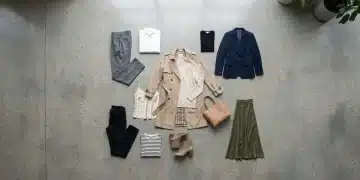
Navigating Your Wardrobe: A Comparative Guide to Outfit Inspirations and Seasonal Style Approaches
Anúncios
That familiar paradox of staring into a closet packed with clothes, yet feeling like you have nothing to wear, is more than just a morning inconvenience—it’s a sign of a missing strategy. This moment of style paralysis isn’t born from a lack of options, but from a lack of direction. In a world saturated with fleeting trends and endless digital feeds, finding a clear path to personal style can feel overwhelming. How do you move from a collection of individual garments to a wardrobe of cohesive, confidence-boosting outfits?
The search for this direction has evolved dramatically. Where fashion magazines once served as the primary source of inspiration, we now navigate a complex digital landscape of influencer posts, algorithmic suggestions, and fast-fashion cycles. A study by the NPD Group highlighted that 68% of consumers now actively seek styling ideas online before making a purchase, underscoring a collective desire for guidance. This shift requires a new set of skills: the ability to filter noise, identify authentic inspiration, and build a wardrobe that is both functional for the season and true to your identity.
Anúncios
This guide serves as your roadmap. We will deconstruct the core methodologies for finding inspiration, comparing the fast-paced, trend-driven approach with the timeless pursuit of personal style. We’ll then explore practical strategies for seasonal editing—from the minimalist capsule wardrobe to the art of layering—and analyze their pros and cons. Finally, we’ll dive into the modern dilemma of digital guidance, weighing the curated narratives of influencers against the data-driven precision of AI stylists, providing a complete framework for curating a wardrobe that works for you.
Deconstructing Outfit Inspirations: The Core Methodologies
That familiar feeling of staring into a full closet and thinking “I have nothing to wear” is almost a universal experience. It’s a daily ritual for many. This moment of style paralysis isn’t usually about a lack of clothing, but rather a lack of direction. This is where the concept of outfit inspirations moves from a vague idea into a practical tool for getting dressed with intention and confidence.
Seeking this direction is incredibly common. A recent study published by the NPD Group found that 68% of consumers actively look for styling ideas online before a shopping trip or a significant event. Finding inspiration is less about copying a look piece-for-piece and more about discovering new combinations, silhouettes, or color palettes that resonate with you. It’s like having a map before you start a road trip; you might take a few detours, but you know the general direction you’re heading. But how do you choose your route?
Anúncios
Trend-Driven vs. Personal Style-Focused
Most approaches to finding outfit inspiration fall into two primary camps: following the trends or cultivating personal style. The trend-driven method involves looking outward for cues from runways, social media influencers, and what’s currently popular in retail. This approach is exciting and keeps your wardrobe feeling fresh and relevant. If you love the thrill of wearing the latest “it” item, this is likely your go-to strategy. You’re constantly scanning for what’s new in the world of fashion and how to incorporate it.
The downside? It can be exhausting and expensive. Trends are fleeting by nature, and what feels primary one season can feel dated the next. It’s also one of the quickest ways to encounter common styling pitfalls that can frustrate even seasoned fashion lovers.
On the other side of the spectrum is the personal style-focused approach. This methodology is more introspective, prioritizing a consistent and authentic aesthetic over passing fads. Think of it as creating your own personal uniform. It involves identifying core pieces, signature silhouettes, and a color story that represents you, regardless of what’s happening on the trend circuit. The goal here is to build a timeless wardrobe where every piece works together, making it a cornerstone for those looking to unlock their signature look.
Of course, these two methods are not mutually exclusive—and perhaps they shouldn’t be. The most effective dressers often blend both. They have a strong sense of their personal style but use trends as accents to keep their look modern. This hybrid approach allows for both consistency and playfulness, which is a difficult balance to strike. A third, more practical filter is simply dressing for the occasion, whether it’s a job interview or a weekend brunch, which often dictates the final choices you make. Understanding your primary method is the first step in creating a more deliberate and enjoyable relationship with your clothes.
Seasonal Edits: Comparing Adaptive Strategies for Every Climate
Adapting your wardrobe to the changing seasons is more than just swapping shorts for sweaters. A effective seasonal edit involves a deliberate strategy to ensure your closet is functional, stylish, and ready for any weather. The goal is to create a collection of clothes that not only feels appropriate for the temperature but also reflects a cohesive aesthetic. Three popular methods dominate this space: the capsule wardrobe, strategic layering, and shifts in color and fabric.
The Capsule Wardrobe Approach
The capsule wardrobe is a minimalist’s dream. This strategy involves curating a small collection of necessary, versatile items—typically between 30 and 40 pieces, including shoes and outerwear—that can be mixed and matched to create numerous outfits. The core idea is to build a foundation of high-quality basics that transcend fleeting fads. For many, this is the first step toward unlocking your signature style because it forces you to identify what you genuinely love to wear. But is a strict capsule practical for a four-season climate? The data suggests it has powerful psychological benefits. A report from the California Closets company noted that 87% of their clients who adopted a capsule system felt less stressed and more in control of their mornings. The main drawback, is the potential for creative burnout. A limited selection can sometimes feel restrictive, especially if your personal style leans more eclectic and trend-driven. It requires serious discipline. This approach works best when you have a clear understanding of your lifestyle and color palette. It’s less about having fewer clothes and more about having the *right* clothes.
Layering Mastery for Transitional Seasons
For those unpredictable in-between months of spring and autumn, layering is less a style choice and more a survival tactic. Mastering this skill allows you to adapt to a chilly morning, a warm afternoon, and a cool evening without needing a complete outfit change. Think of it like building a functional structure: you start with a solid base, add an insulating middle, and top it with a protective shell. The classic “rule of three” is a great starting point.
- Base Layer: This is the piece closest to your skin, like a cotton t-shirt, silk camisole, or a thin merino wool long-sleeve. Its primary job is comfort and moisture management.
- Mid Layer: This is your personality and insulation piece. It could be a cardigan, a denim jacket, a crewneck sweater, or a vest.
- Outer Layer: Your final layer provides protection from the elements. This is your trench coat, blazer, or light puffer jacket, which can be easily removed as the day warms up.
The beauty of layering is its flexibility. It encourages you to see your wardrobe as a collection of modular components rather than rigid, pre-set outfits. For beginners looking to get started, our complete guide to seasonal style offers a great foundation for building these combinations. The underrated factor here is texture—mixing different materials like denim, wool, and silk adds visual depth that prevents layered looks from appearing bulky.
Color and Fabric Shifts: A Seasonal Guide
Perhaps the most intuitive way to adapt your wardrobe is by rotating your colors and fabrics. This method offers a powerful visual cue that you’re dressing for the current season. It’s less about a complete overhaul and more about a thoughtful edit.
Embracing Seasonal Color Palettes
Color has a profound impact on the mood of an outfit. While you can certainly wear black year-round, consciously shifting your color story signals an awareness of the season. Autumn often calls for rich, earthy tones like rust, olive green, and mustard yellow. Winter favors deep jewel tones, cool grays, and classic navy. As spring arrives, the palette lightens to include pastels, crisp whites, and vibrant, optimistic hues. New York-based stylist Kate Young often advises clients to build their wardrobe around a core of 4-5 neutral colors (like black, white, beige, and navy) and then introduce 2-3 seasonal accent colors. This strategy ensures your pieces remain compatible while still feeling fresh. You can see how these accent colors play out by exploring some of the emerging outfit trends and seasonal edits predicted for the coming months. This allows you to participate in trends without overhauling your entire closet.
Fabric Choices for Comfort and Style
Beyond color, the very material of your clothing is your first line of defense against the weather. Choosing the right fabric is critical for both comfort and style. In summer, the focus is on breathability. Fabrics like linen, cotton, chambray, and Tencel allow air to circulate and wick moisture away from the skin. As temperatures drop, the priority shifts to insulation and protection. Wool is a winter champion for a reason; its natural crimp traps air, creating an insulating barrier. A study by the University of Otago in New Zealand found that merino wool can absorb up to 35% of its own weight in moisture vapor, keeping you dry and warm simultaneously. Other cold-weather staples include cashmere for its softness and warmth, flannel for its cozy texture, and leather or vegan leather for its wind-blocking properties. Swapping your cotton trousers for a pair in wool or corduroy is a simple yet highly effective seasonal adjustment — one of many common style pitfalls to avoid is wearing the wrong fabric for the temperature.
| Strategy | Pros | Cons |
|---|---|---|
| Capsule Wardrobe | Reduces decision fatigue, promotes conscious consumption, creates a cohesive look, saves money over time. | Can feel restrictive and creatively stifling, requires significant upfront planning, may not suit all lifestyles or climates. |
| Layering Mastery | Highly adaptable to fluctuating temperatures, increases outfit versatility, adds visual interest and texture. | Can look bulky if not done correctly, requires a good collection of complementary basics and mid-layers. |
| Color & Fabric Shifts | Intuitive and easy to implement, creates a strong seasonal mood, allows for participation in trends through accent pieces. | Requires more storage space for off-season items, can lead to buying more pieces if not managed carefully. |
Ultimately, the best strategy is often a hybrid of all three. You might use a capsule wardrobe as your foundation, master layering for transitional weather, and inject personality each season with timely color and fabric choices. The key is to find the system that removes friction from your daily routine and makes getting dressed a source of confidence, not stress.
AI can predict what you want to wear tomorrow based on the last 365 days, but it can’t predict how a new, unexpected color might make you feel.
— Dr. Julian Bixby, researcher at MIT’s Media Lab
| Strategy | Pros | Cons |
|---|---|---|
| Capsule Wardrobe | Reduces decision fatigue, promotes conscious consumption, creates a cohesive look, saves money over time. | Can feel restrictive and creatively stifling, requires significant upfront planning, may not suit all lifestyles or climates. |
| Layering Mastery | Highly adaptable to fluctuating temperatures, increases outfit versatility, adds visual interest and texture. | Can look bulky if not done correctly, requires a good collection of complementary basics and mid-layers. |
| Color & Fabric Shifts | Intuitive and easy to implement, creates a strong seasonal mood, allows for participation in trends through accent pieces. | Requires more storage space for off-season items, can lead to buying more pieces if not managed carefully. |
The Digital Landscape: Comparing Influencer-Led vs. Algorithmic Suggestions
Once you’ve settled on your seasonal strategy, the hunt for daily outfit inspirations moves online. Your social media feeds are a constant stream of style, but where does that inspiration actually come from? Primarily, it’s a battle between two powerful forces: the curated storytelling of human influencers and the data-driven precision of algorithms. Understanding the difference is key to developing a look that feels authentic to you.
Each source offers a distinct path to your next favorite outfit. One provides a narrative and a human connection, while the other promises efficiency and hyper-personalization. The underrated factor here is not which one is “better,” but how you can use both to your advantage without falling into common style pitfalls. It’s like choosing between a friend’s recommendation for a restaurant and a food app’s top-rated list—both can lead to a great meal, but the experience is entirely different.
Navigating Influencer Feeds for Inspiration
Fashion influencers offer a powerful blend of aspiration and relatability. They build narratives around clothing, showing you not just a sweater, but a complete moment—the cozy coffee shop, the crisp autumn walk, the chic business meeting. This storytelling element is their greatest strength. A study from the Digital Marketing Institute revealed that 49% of consumers depend on influencer recommendations, showing just how much trust we place in these digital curators. It’s a visual dialogue.
Following influencers who share your body type, budget, or aesthetic can feel like getting advice from a stylish friend (a friend with professional lighting, of course). But can you always trust the recommendation? The line between genuine love for a product and a lucrative sponsorship can be incredibly blurry. The challenge is to filter the inspiration from the advertisement, focusing on the styling concepts rather than the specific, tagged items. This helps in unlocking your signature style rather than just copying someone else’s.
AI-Powered Styling: Personalization vs. Authenticity
On the other side of the screen are the algorithms. AI-powered styling apps and e-commerce features analyze your browsing history, past purchases, and even location-based weather to suggest items you are statistically likely to love. The process is incredibly efficient, creating a personalized boutique just for you. These systems can process millions of data points to identify patterns you might not even notice about your own preferences.
The result is often a highly relevant, if somewhat predictable, set of choices. AI is fantastic at showing you more of what you already like, but it struggles with the element of surprise and human emotion that drives true style evolution. Dr. Julian Bixby, a researcher at MIT’s Media Lab, explains, “AI can predict what you want to wear tomorrow based on the last 365 days, but it can’t predict how a new, unexpected color might make you feel.” There’s a risk of getting trapped in a “style echo chamber,” where you are only ever shown variations of your existing wardrobe.
Ultimately, the most refined approach likely involves a hybrid model. Use AI to quickly sift through options and identify core pieces that fit your established taste, but turn to human influencers and runway predictions for that spark of novelty and creative risk-taking that keeps fashion exciting.
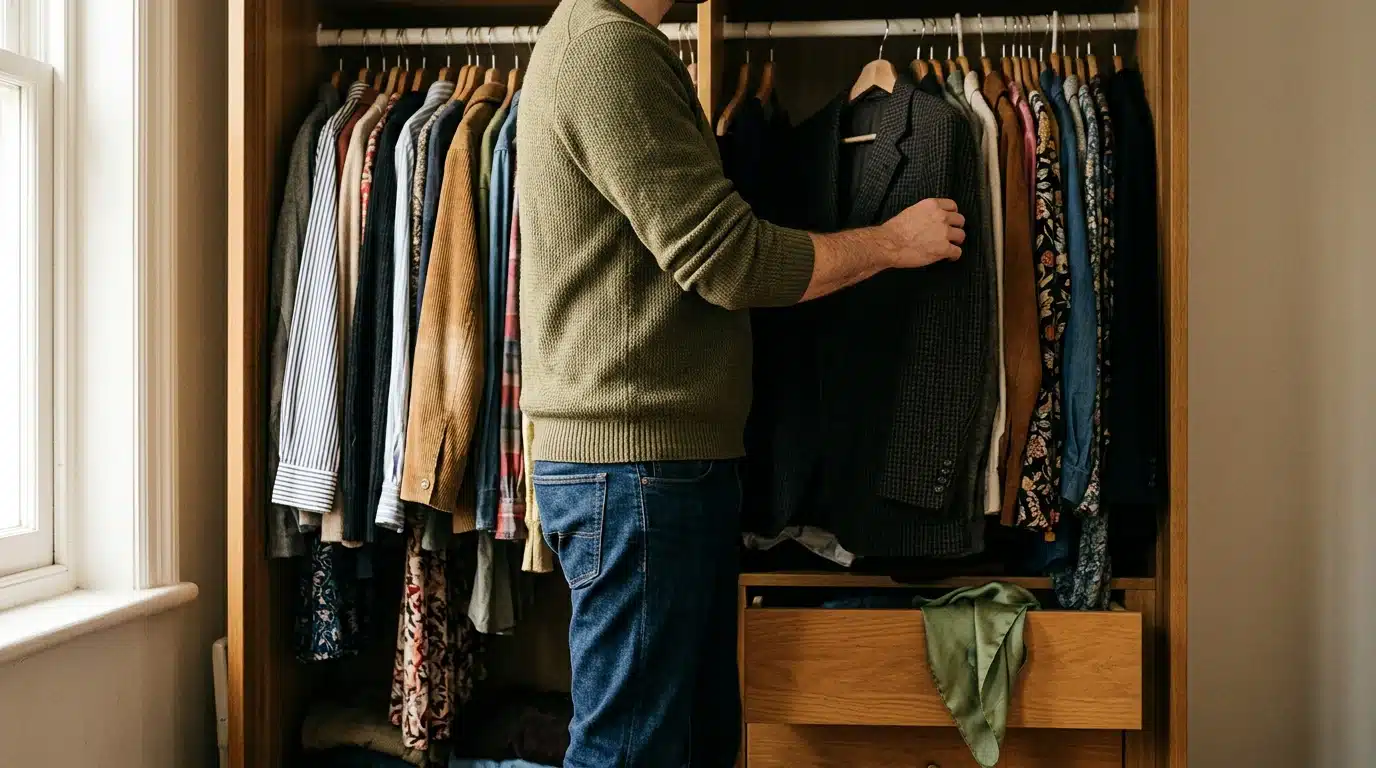
Budget-Conscious Styling: High Street vs. Thrifting vs. DIY
Crafting a stylish wardrobe on a budget isn’t about choosing one single path; it’s about understanding the trade-offs between speed, cost, and creativity. High street shops offer instant gratification with on-trend pieces, while thrifting provides a treasure hunt for unique, sustainable finds. Then there’s the DIY approach, which offers ultimate personalization. Deciding which route to take often feels like choosing a recipe — do you want a quick meal kit or to cook from scratch?
High street shopping is undeniably convenient for tapping into current looks, but it comes with caveats. While you can find affordable pieces that mimic runway styles, the quality can be inconsistent, leading to a higher cost-per-wear over time. This approach can also lead to some common style pitfalls unveiled by fashion experts, where a closet becomes full of trendy but ultimately disposable items. It’s fast, but not always built to last.
thrifting and secondhand shopping have exploded in popularity. A report from ThredUp projected the global secondhand market to grow to $350 billion in the coming years, showcasing a massive shift in consumer habits. The upside is clear: lower prices, a smaller environmental footprint, and the chance to find high-quality vintage pieces. The downside? It requires patience and a keen eye — you can’t just walk in and find exactly what you’re looking for on demand.
Each path demands a different kind of investment.
Finally, the DIY or upcycling method is for those who want to put a personal stamp on their wardrobe. This involves altering existing clothes or creating new ones, a process that is as sustainable as it gets. While it can be incredibly rewarding and is a cornerstone for those unlocking their signature style, it requires a specific skill set and a significant time commitment. The real cost here isn’t money, but the hours you put in at the sewing machine. The challenge becomes balancing these methods to build a wardrobe that is both affordable and authentic.
Crafting Your Signature Look: Integrating Diverse Inspirations
Moving from appreciating different styles to building your own is like learning to cook without a recipe. You start by understanding the ingredients—a silhouette from one look, a color palette from another—and then begin to combine them. The goal isn’t to replicate a dish you saw, but to create a flavor that is uniquely yours. This synthesis is the foundation of a true signature look.
The sheer volume of newness can be paralyzing. A recent report from The Business of Fashion indicated that 68% of consumers feel overwhelmed by the speed at which trends appear and disappear. So, how do you selectively engage without losing your identity? The key is to establish a strong foundation first. Start by creating a private mood board, pinning images that you are consistently drawn to without overthinking it.
After a week or two, review your board and look for recurring themes. Are you constantly saving tailored blazers, wide-leg trousers, or a specific shade of green? These patterns are the clues to your innate aesthetic. Identifying these core elements—your personal style uniform, if you will—is the first practical step toward unlocking your signature style. These become your non-negotiables, the pieces you build everything else around.
Once you have this base, experimenting with trends becomes much less daunting.
Instead of adopting a full runway look, you can incorporate a single element. Try a trending color in a familiar silhouette or a new accessory with your go-to outfit formula. This approach allows you to stay current while avoiding the most common style pitfalls that come from chasing fleeting fads. It’s a measured way to test drive what might work for you long-term when you review emerging outfit trends. This ongoing process of refinement ensures your wardrobe not only reflects who you are today but also has the flexibility to evolve with you.
Beyond the Methods: Style as a Practice
Ultimately, the choice between a capsule wardrobe and a trend-driven one, or between an AI stylist and a human influencer, is a false dichotomy. The most profound style transformations occur not when you pick a single method, but when you learn to blend them into a personal, evolving system. Your wardrobe doesn’t have to be a rigid set of rules; it can be a dynamic practice of self-expression.
Think of these strategies not as competing philosophies, but as different tools in your toolkit. You might use the capsule concept for your workwear, embrace trends for social outings, and rely on layering as a non-negotiable survival skill. The digital world, with its algorithms and influencers, becomes a library for research, not a book of law.
As you move forward, the most valuable question to ask isn’t, “What should I wear?” but rather, “Who do I want to be today, and how can my clothes help tell that story?” Viewing your style this way reframes it from a daily chore into an act of discovery—a quiet, creative conversation with yourself that continues to unfold season after season.
Frequently Asked Questions
How can I effectively combine different style inspirations?
To combine different style inspirations, start by defining your core aesthetic as a foundation—this could be minimalist, bohemian, or classic. Then, use the 80/20 rule: dedicate 80% of your wardrobe to timeless, foundational pieces and use the remaining 20% to experiment with trends or elements from other styles. This creates a balanced look that is both authentic and fresh.
What are the best strategies for adapting my wardrobe for unpredictable weather?
Mastering the art of layering is the most effective strategy for unpredictable weather. Build your outfits with three key parts: a comfortable base layer, an insulating mid-layer for warmth (like a sweater or cardigan), and a protective outer layer (like a trench coat). This modular approach allows you to add or remove pieces easily as temperatures fluctuate throughout the day.
Is AI-generated fashion advice reliable for personal styling?
AI-generated advice is highly reliable for analyzing your past behavior to suggest items you’ll likely enjoy and for finding specific pieces efficiently. it often struggles with creativity and emotional nuance. Use AI as a personal shopper for what you already know you like, but turn to human sources like stylists and influencers for new, boundary-pushing inspiration.
How do I create a seasonal capsule wardrobe on a budget?
Start by shopping your own closet to identify existing core pieces. For anything missing, prioritize thrift stores for high-quality, durable items like coats, blazers, and denim. Supplement these finds with affordable new basics like t-shirts and camisoles from high-street retailers. Sticking to a predefined color palette is key to ensure every piece works together.
What’s the difference between a trend-driven and personal style approach?
A trend-driven approach focuses on adopting currently popular looks, colors, and silhouettes that change with each fashion season. In contrast, a personal style approach is more introspective and timeless. It involves curating a wardrobe based on your individual lifestyle, body shape, and consistent aesthetic preferences, independent of fleeting fads.